
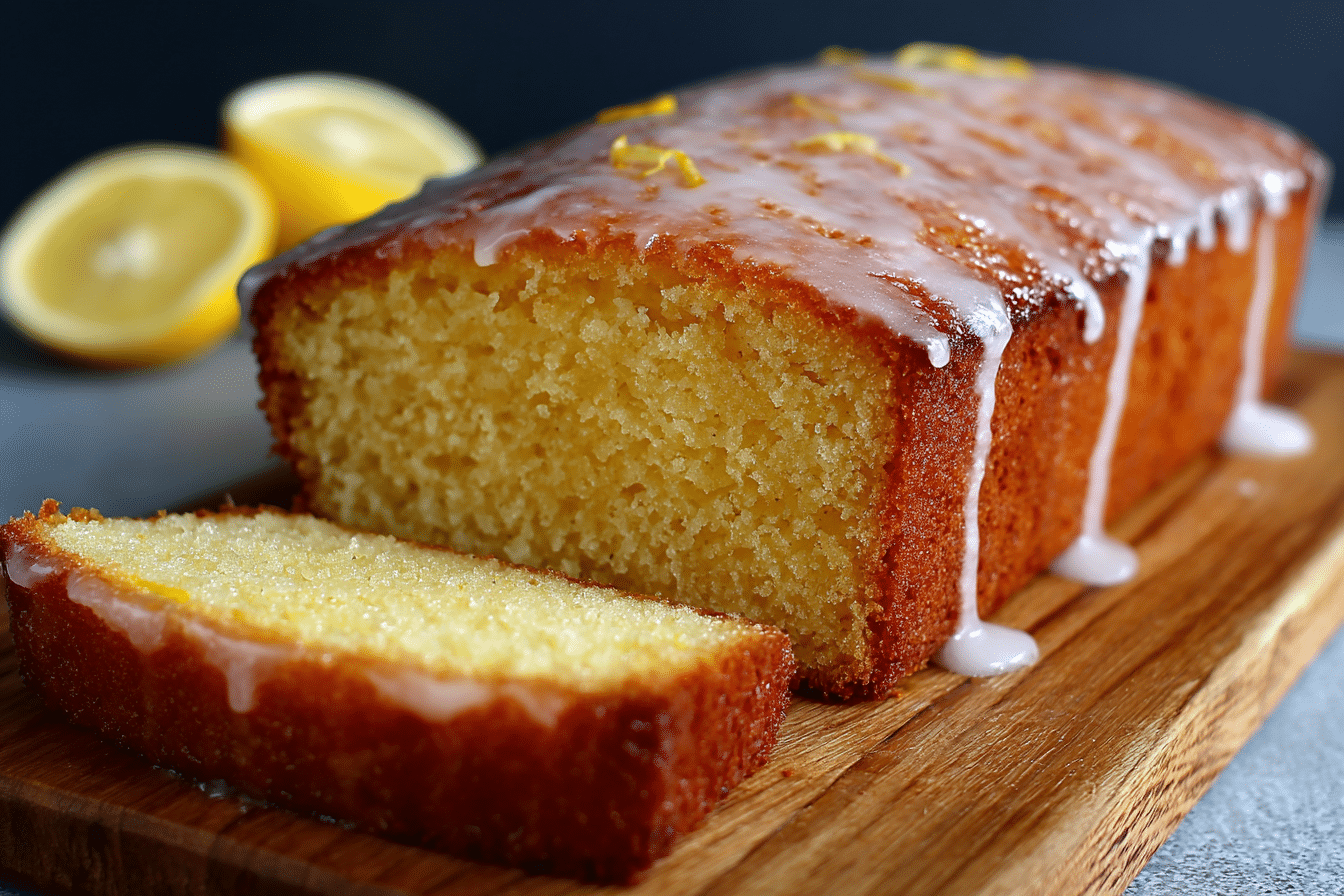
Best Gluten Free Banana Bread is one of those recipes that quietly becomes a staple in the kitchen. It fills the house with the familiar aroma of ripe bananas and warm spices, offering comfort without feeling heavy or complicated. This version focuses on a tender crumb, balanced sweetness, and a structure that holds together beautifully, even without traditional wheat flour.
Gluten free baking can sometimes feel unpredictable, especially with quick breads. Too dry, too dense, or overly gummy textures are common frustrations. This recipe was developed to avoid those issues by relying on simple, dependable ingredients and a thoughtful mixing method. The result is a loaf that slices cleanly, stays moist for days, and tastes just as satisfying as classic banana bread.
Whether you are baking for dietary reasons or simply enjoy experimenting with alternative flours, this bread fits easily into everyday life. It works for slow mornings, afternoon snacks, or a simple dessert served warm with tea or coffee. Best Gluten Free Banana Bread proves that gluten free baking can feel familiar, comforting, and deeply satisfying.
Ingredients Overview
Ripe bananas are the foundation of Best Gluten Free Banana Bread. The bananas should be heavily speckled or fully brown, as this brings natural sweetness and moisture. Underripe bananas lack flavor and can lead to a bland loaf. Mashing them until smooth helps create an even texture throughout the batter.
Gluten free all purpose flour provides structure. A blend that includes rice flour, starches, and a binder such as xanthan gum works best. If your flour blend does not include a binder, adding a small amount of xanthan gum helps prevent crumbling. Almond flour can replace part of the blend for added richness, though it should not fully replace the main flour.
Eggs contribute structure and lift. They also help bind the batter, which is especially important in gluten free baking. Room temperature eggs blend more smoothly and create a lighter crumb.
Oil or melted butter adds moisture. Neutral oils like avocado or light olive oil keep the flavor balanced, while butter adds a richer taste. Either option works well.
Brown sugar provides sweetness and a soft texture. Coconut sugar can be substituted, though it creates a slightly darker loaf. A small amount of granulated sugar balances the flavor.
Baking soda supports rise and reacts with the acidity of the bananas. A touch of cinnamon adds warmth without overpowering the banana flavor. Salt sharpens the sweetness and rounds out the overall taste.
Step-by-Step Instructions
Begin by preheating the oven to 350 degrees Fahrenheit. Lightly grease a standard loaf pan and line it with parchment paper, leaving overhang on the long sides for easy removal. This step prevents sticking and protects the delicate crumb.
In a large bowl, mash the ripe bananas until smooth with only a few small lumps remaining. Whisk in the brown sugar and granulated sugar until fully combined. Add the eggs one at a time, mixing well after each addition. Stir in the oil or melted butter and vanilla extract until the mixture looks glossy and cohesive.
In a separate bowl, whisk together the gluten free flour, baking soda, cinnamon, and salt. Mixing dry ingredients separately helps distribute the leavening evenly and avoids uneven rise.
Gradually add the dry ingredients to the wet mixture. Use a spatula or wooden spoon and mix gently until just combined. Overmixing can cause the loaf to become dense or gummy, so stop as soon as no dry pockets remain. The batter should be thick but spreadable.
Pour the batter into the prepared loaf pan and smooth the top with a spatula. If desired, slice an extra banana lengthwise and place it on top for a classic look.
Bake for 50 to 60 minutes, rotating the pan halfway through for even browning. The bread is done when the top is golden and a toothpick inserted into the center comes out with a few moist crumbs but no wet batter.
Allow the bread to cool in the pan for 15 minutes before lifting it out using the parchment. Transfer to a wire rack to cool completely. Cutting too soon can cause the loaf to fall apart, so patience is key.
Tips, Variations, and Substitutions
For extra moisture, add two tablespoons of plain yogurt or dairy free yogurt to the batter. This works especially well in drier climates.
Chocolate chips, chopped walnuts, or pecans can be folded in just before baking. Keep additions to about three quarters of a cup to avoid weighing down the loaf.
To make the bread dairy free, use oil instead of butter and choose dairy free chocolate if adding mix-ins. The flavor remains balanced and rich.
If you prefer less sweetness, reduce the sugar slightly. The bananas still provide plenty of natural flavor. For a deeper taste, a small amount of molasses can replace part of the brown sugar.
For a refined sugar free option, maple syrup or honey can be used, though the batter may be slightly looser. Reduce other liquids accordingly.
Always measure gluten free flour carefully using a spoon and level method. Scooping directly from the bag can add too much flour and dry out the bread.
Serving Ideas and Occasions
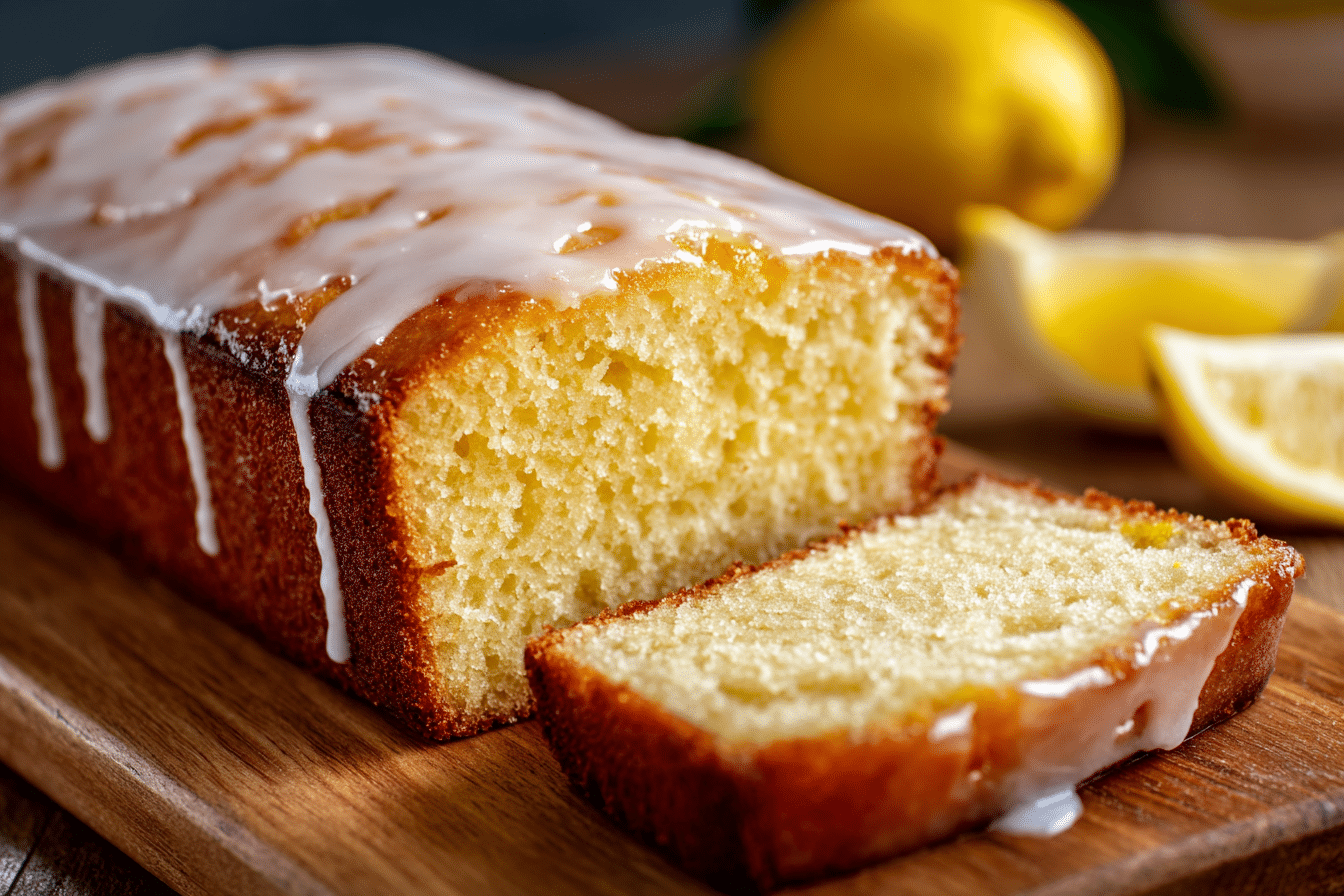
Best Gluten Free Banana Bread is versatile and fits into many moments throughout the day. Serve thick slices slightly warm with butter or a dairy free spread for breakfast. It pairs well with coffee, black tea, or a mild herbal blend.
For an afternoon snack, enjoy it plain or with a drizzle of honey. The natural sweetness makes it satisfying without feeling heavy.
As a dessert, serve slices with fresh berries or a scoop of vanilla ice cream. The contrast between warm bread and cool toppings works beautifully.
This loaf travels well, making it suitable for picnics, potlucks, or packed lunches. It also freezes well when wrapped tightly, allowing you to enjoy it later without sacrificing texture.
Nutritional and Health Notes
Best Gluten Free Banana Bread provides a balance of carbohydrates, fats, and protein. Bananas contribute potassium and natural sweetness, reducing the need for excessive added sugar.
Using gluten free flour makes the recipe suitable for those avoiding gluten, though it is still important to choose certified gluten free ingredients if sensitivity is a concern.
Eggs supply protein and structure, while oil or butter contributes satiety. Adding nuts increases healthy fats and texture.
Portion size matters, as banana bread remains an energy dense food. Enjoying it as part of a balanced meal or snack helps maintain steady energy levels throughout the day.
Frequently Asked Questions
Why does gluten free banana bread sometimes turn out dry?
Dry texture often comes from too much flour or not enough moisture. Measuring flour carefully and using very ripe bananas helps maintain a soft crumb.
Can Best Gluten Free Banana Bread be made without eggs?
Egg substitutes like flax eggs can work, though the texture may be slightly denser. Use one flax egg per egg and allow the batter to rest before baking.
How should this banana bread be stored?
Store the loaf wrapped at room temperature for up to two days or refrigerate for up to five days. Freezing slices extends shelf life.
Can I use frozen bananas?
Yes, thaw them fully and drain excess liquid before mashing. Frozen bananas often bring strong flavor and sweetness.
Why did my loaf sink in the middle?
Underbaking or opening the oven door too early can cause sinking. Bake until fully set and avoid disturbing the loaf during baking.
What gluten free flour works best?
A balanced all purpose blend with a binder provides reliable results. Single flours usually need adjustments.
Can I reduce the oil?
Slight reductions are possible, but removing too much oil affects moisture. Replacing part with yogurt helps maintain texture.